
Home sustainability is easier to start if you focus on your general routine rather than big statements. Most families already have routines for meals, laundry, shopping, heating and school runs. Those habits are what shape energy use, waste and household costs more than one-off efforts. A better routine doesn’t need to feel restrictive; it just needs to be practical enough to make a difference and become a habit. If you keep focusing on a better routine and do your best at it, you will quickly notice that the small changes have a big impact and become easier and more useful over time.
Via Pexels
Make Meal Planning Less Wasteful
Meal planning is likely where you will see the most effective and immediate results in reducing food waste. Creating a weekly meal plan allows households to purchase groceries more efficiently, reduce impulse buys and reduce the likelihood of purchasing excess goods which become spoiled before being consumed. Building leftovers into your meal plan, for example, keeping leftover chicken to make sandwiches the next day, ensures most of your food is used, saving both money and waste while eliminating many of the rushed trips to the supermarket that result in unnecessary purchases.
Use Laundry With More Intention
Laundry is one of the culprits that consume large amounts of energy and water. Many households frequently do small loads of laundry, use higher temperature settings as their default setting, and tend to dry clothes through the use of a tumble dryer, even though it is not always necessary. Improving sustainability begins with planning. Choose laundry days and ensure every member of the family brings their loads. Washing larger loads at a sensible temperature and allowing clothes to air-dry when possible will have a significant impact on energy and water consumption. Using a regular schedule for cleaning school uniforms, sports kits and towels can also help prevent those last-minute emergency loads during the week.
Cut Energy Drift Around the House
Too much energy is wasted due to drift. Lights left on in unoccupied rooms, chargers remaining plugged in, heating running longer than intended or in empty rooms. Your home doesn’t need a strict “rule-book” to transform. Keeping each other accountable and simply taking a few minutes at night or before you leave your house to reset, close curtains, unplug unused electrical devices, and check your heating timers for the next day’s usage will quickly begin to minimise your energy waste.
Buy Fewer Things With Short Lifespans
The connection to sustainable practices is very much based on the flow of items coming into the house. Cheap replacement items and new novelty items, as well as over-packaged convenience items, generate more waste than families anticipate. Family members can develop better habits by thinking twice about an item before purchasing. Ask yourself the question: “Will I use this product frequently? Will I repair this product if it breaks down? Or will I replace this product rapidly?” This approach can apply to all types of household items, such as your lunch box, your cleaning supplies, your children’s toys and most importantly, your basic kitchenware. It is helpful to purchase fewer disposable products and invest in quality over quantity where possible.
Via Pexels
Create a Better Home Recycling Flow
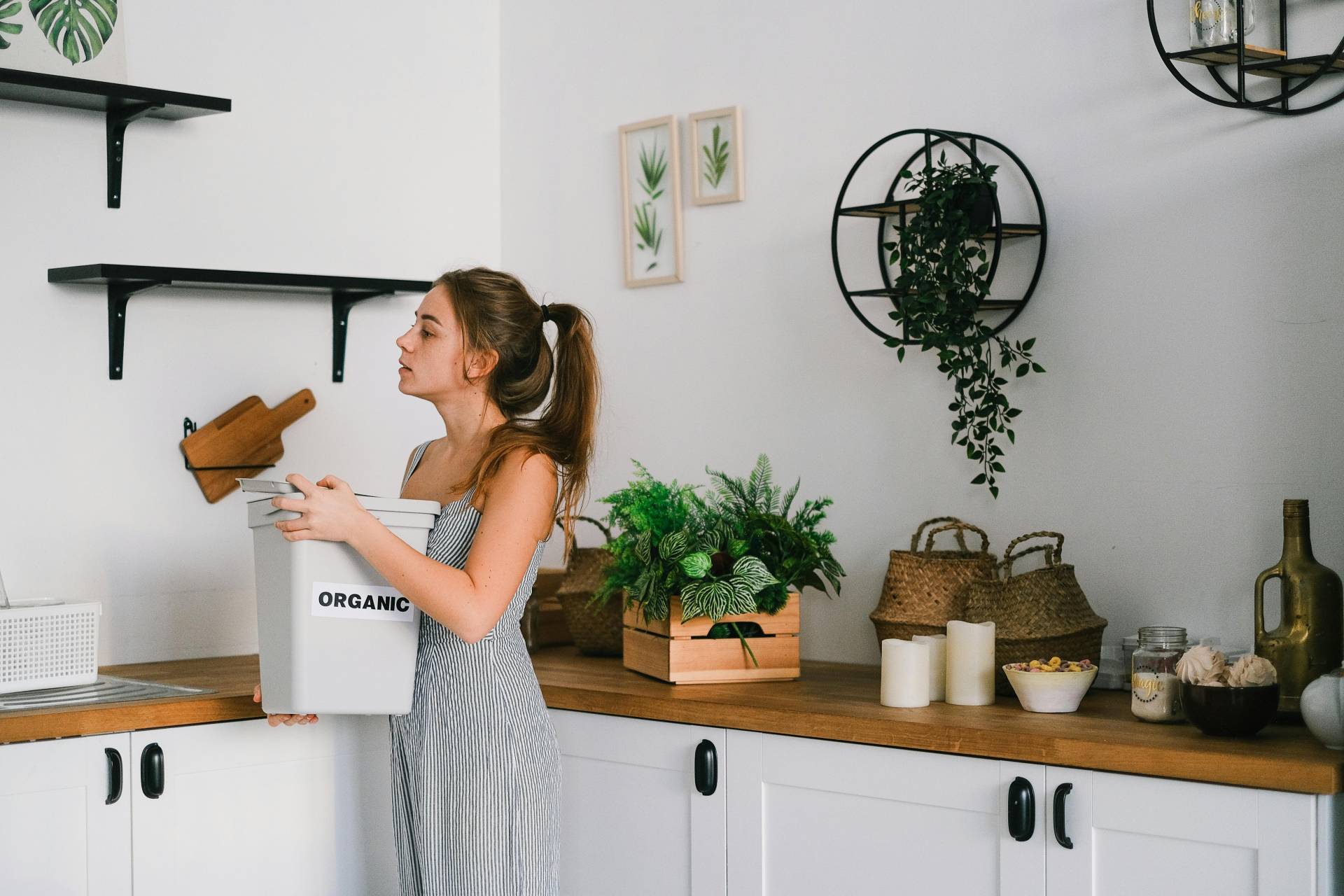
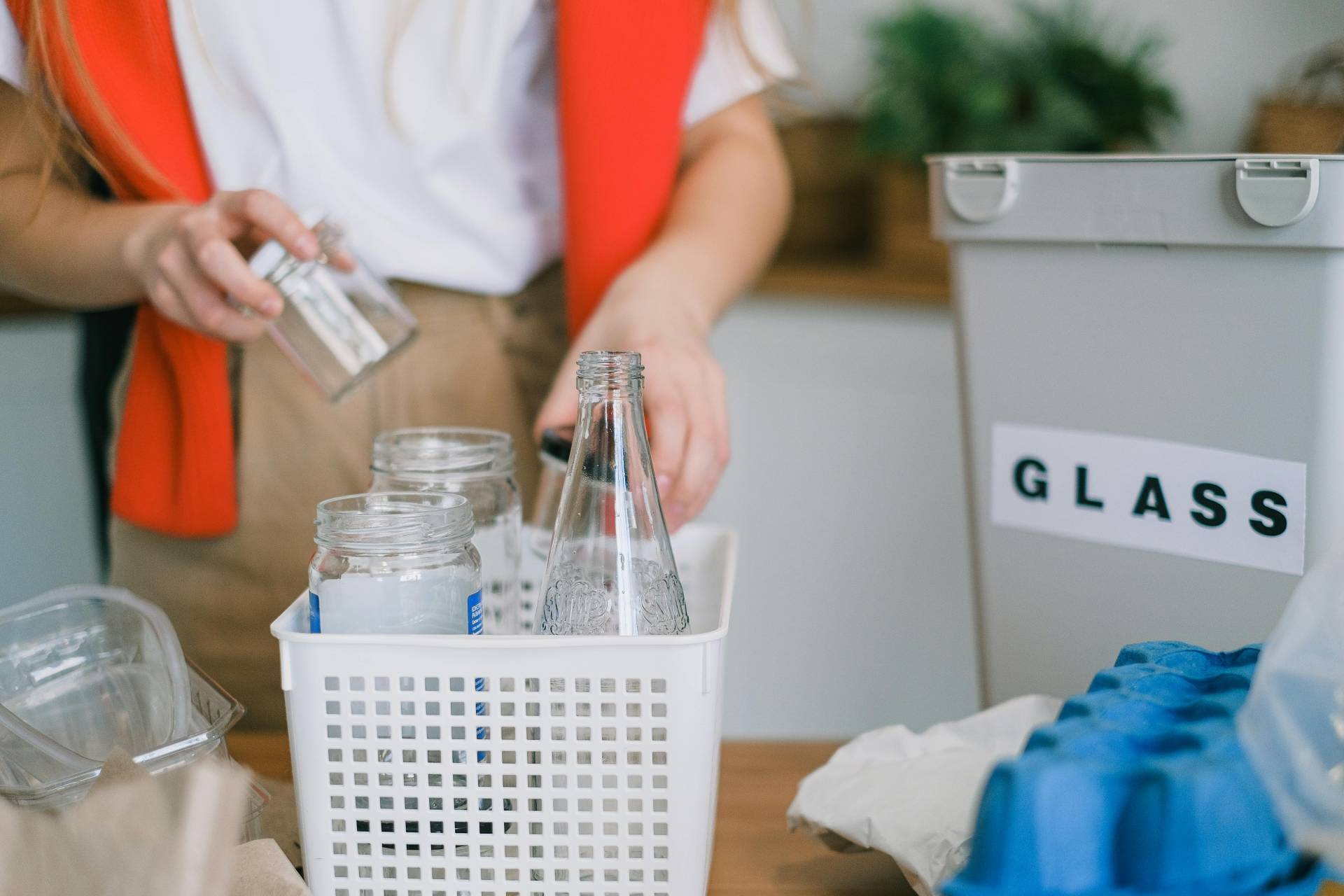
For recycling to be effective, you should make it easy to recycle correctly. If recycling containers are poorly located or recycling guidelines are ambiguous, then many recyclables become part of your household trash. To help fix this issue in your household, you can establish a specific sorting location in your kitchen or utility area, or have sorting bins ready and marked. It will be beneficial for each member of the household to know exactly what can go into each bin. Larger-scale clean-outs also require planning. During times of increased activity, such as remodelling, home clean-outs, or storage resets, there may be large amounts of bulky materials generated. A skip can help by giving families one contained place to sort and manage waste more efficiently while the job is happening. That makes it easier to separate out materials such as wood, metal, cardboard, and certain types of hard waste that may be recycled instead of thrown away with everything else. In that sense, skip hire can support recycling by helping households stay organised and avoid sending recoverable materials straight to landfill.
Make Water Saving Part of Daily Use
Water conservation has a greater impact when it becomes part of a habit and routine. Some examples include taking shorter showers, turning the faucet off while brushing your teeth, and only running the dishwasher when it is full and you are overwhelmed with cleaning. Keeping a container of water in the refrigerator instead of letting the faucet run until the water reaches the desired temperature is another example. By watering your plants in either the early morning or late evening, you will lose less water. Each of these is a relatively small change, however collectively they contribute significantly.
Choose Reuse Before Replacement
A sustainable family routine improves when reuse becomes normal. School bags can be repaired. Jars can store dry goods or craft supplies. Clothes can be passed down, altered, or sold rather than thrown away. This mindset changes how households deal with wear and tear. Not everything needs to be kept, but not everything needs to be discarded at the first sign of age, either. Reuse saves resources and often slows the steady flow of clutter into the home.
Rethink What You Bring Home
Another useful habit is paying attention to refills and repeat purchases. Concentrated cleaning products, reusable cloths, and bulk buys for items used weekly can reduce packaging without making the home harder to manage. The point is consistency. Regular purchases are where steady improvements usually matter most.
Set One Weekly Checkpoint
The easiest routines are the ones people actually remember. A weekly household checkpoint can help families review food use, laundry needs, recycling, and energy habits in one short session. It might happen on Sunday evening or after the main weekly shop. The point is not to audit every detail. It is worth noting what slipped and resetting the basics before next week starts. This keeps sustainable habits realistic and prevents good intentions from fading under family pressure.
Build the Routine Around Real Life
The most sustainable family routine is not the most ambitious one. It is the one a household can keep during busy school weeks, cold weather, illness, and work schedules. That means choosing habits that fit real life and adjusting them when needed. Meal planning, smarter laundry, better recycling, lower energy waste, and more reuse all work because they are practical. A sustainable home routine succeeds when it becomes part of normal family life, not a separate project that gets dropped too soon.


