
Ever caught yourself staring at a soggy shed roof after one of those endless British downpours, wondering why it hasn’t caved in yet? Chances are, WBP ply is quietly holding the fort. Short for Weather and Boil Proof plywood, this tough customer laughs in the face of rain, humidity and even the odd boil test that proves its mettle, and it’s become a staple for anyone serious about outdoor builds in the UK, from garden offices to boat repairs.
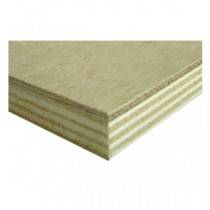
Regular plywood might look the part in the shed, but expose it to our unpredictable weather and it swells up like a sponge in a puddle. WBP ply, on the other hand, uses phenol-formaldehyde glue – a thermosetting adhesive that is waterproof magic. It bonds the layers so tightly that the whole sheet can handle boiling water without delaminating or warping. Picture dunking a sample in a pot for hours; it comes out solid as ever. That’s the kind of resilience you need when Manchester’s monsoon season hits or you’re cladding a coastal cabin in Cornwall.
It’s not just about surviving the wet; this plywood packs serious strength for heavy-duty jobs. Builders love it for exterior walls, roofs and subfloors because it shrugs off UV rays, snow, and wind without losing its shape. Moisture content hovers around 5-10%, keeping things stable no matter the humidity swings. Plus, it’s got that smooth(ish) surface – depending on if you go for sanded or not sanded grades – making it easy to paint or clean. Grades like B/B or BB/BB mean fewer defects, so your furniture or formwork looks decent too.
From Formwork to Garden Furniture: Where WBP Ply Shines
Let’s talk real-world uses, because who cares about specs if it doesn’t solve actual problems? In construction, WBP ply is king for concrete formwork. Pour away on those DIY extensions; it handles the wet mix without buckling. It’s been used on massive projects in Dubai and Abu Dhabi, but back home, it’s perfect for the weekend warrior pouring a patio base or reinforcing a garage.
Outdoor furniture? Absolutely. Tables, chairs and even posh cabinetry that won’t rot after one wet summer barbecue. Marine fans, take note – it’s brilliant for boat building, docks and piers, standing up to saltwater splashes better than standard stuff (though true marine ply edges it for full submersion). Inside the house, think kitchen cabinets or bathroom panels where steam and splashes are daily dramas. Even packaging gets a boost; heavy crates for shipping tools or kit won’t splinter en route.
It’s versatile enough for interiors too. That villa in the UAE might need it for humidity, yet here in the UK, it’s spot on for underlayment or structural bits that might see a leak. Compared to commercial plywood, which flops in damp spots, WBP holds its own with superior load capacity and longevity. Sure, it’s not void-free like premium marine grades, and formaldehyde levels vary (though low-emission E1 standards keep it safe), but for most jobs, it’s perfect.
The Smart Builder’s Pick: Pros, Cons and UK Realities
What makes WBP ply a no-brainer for thrifty homeowners? Affordability jumps out first. You get marine-level water resistance without the eye-watering price tag – think £40-60 per sheet at your local merchant, depending on thickness. It’s widely available too, stocked by builders’ yards from B&Q to independents. Environmentally, it ticks boxes with low VOC emissions, so no nasty fumes in your living room reno.
Strength is another winner. Engineered for wear and tear, it takes heavy loads without complaint, ideal for roofing in exposed spots or flooring in damp basements. Maintenance? Wipe it down and it’s good as new. In the UK, where we battle everything from Scottish mists to London fog, that weather endurance is pure gold.
Of course, nothing’s perfect. It’s not for permanent underwater use – don’t make a submarine out of it. And while the glue’s tough, grades with more knots might show character (or flaws) over time. Still, for 90% of projects, it outperforms cheaper options hands down. Take structural plywood; it’s solid but lacks that boil-proof edge for externals.
Tips for Picking and Using WBP Ply Like a Pro
Shopping smart? Go for birch if you want that premium feel – it’s strong and attractive. Check the grade: B/B for visible jobs, BB/CP for hidden strength like flooring. Thickness matters too; 12mm for furniture, 18mm+ for formwork. Store it flat and dry to avoid any problems. When installing, cut with a proper saw, seal edges with waterproof varnish for extra armour. In wet areas, pair it with breathable membranes.
Bottom line, if you’re tackling a build that might see rain, WBP ply delivers reliability without fuss. It’s the workhorse that lets you focus on the fun bits, like that Sunday roast in your new outdoor kitchen. Next time you’re at the yard, grab a sheet. Your project will thank you.


