
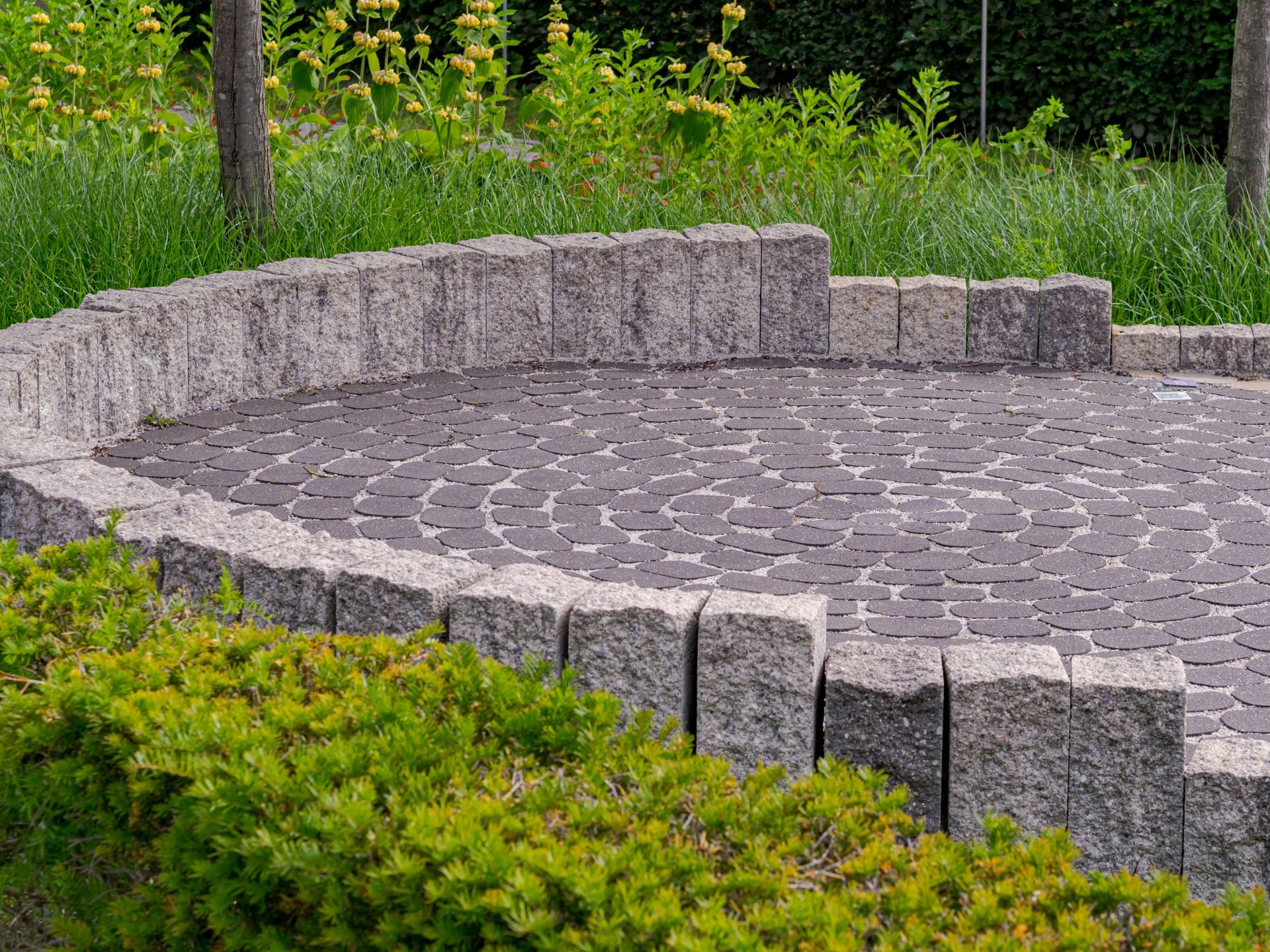
Image Credit: Unsplash
A poorly installed patio can turn an exciting garden makeover into an expensive cycle of repairs, uneven slabs, cracked joints, and drainage problems. Choosing materials based on the lowest price often leads to higher long-term costs and unnecessary frustration. Discover how selecting durable paving, preparing a stable foundation, and avoiding common installation mistakes can help you create an attractive outdoor space that lasts.
The Lure of Bargain Materials
Cheap slabs can look appealing when you’re covering a large patio, yet price alone tells you little about consistency, strength or weather resistance. Poorly calibrated slabs may vary in thickness, making them harder to lay evenly. Porous materials can also absorb moisture and develop stains or surface damage.
Some garden design mistakes make an outdoor space appear cheaper than planned, even when considerable money has been spent elsewhere. Before ordering, request samples and compare colour, texture and thickness in daylight. If you’re planning a patio makeover, exploring professional garden design ideas for outdoor spaces can help you consider how paving choices complement the overall layout. Check whether the quoted price includes VAT and delivery too. A bargain can quickly disappear once pallet charges, breakages and extra installation time enter the calculation.
Why Inadequate Sub-Bases Shift
Paving needs a stable, well-compacted foundation. Laying slabs over soft soil, old sand or scattered building rubble allows sections to settle at different rates. After heavy rain or repeated winter frosts, the surface may rock, dip or hold puddles.
Excavate to a depth suitable for the site, remove organic material and install the specified layers in manageable stages. Each layer needs even compaction with suitable equipment. Drainage should direct water safely away from buildings, without sending it into a neighbouring property.
These costly landscaping mistakes show why groundwork and drainage decisions deserve attention before construction starts. Correcting a failed base later usually means lifting the entire paved area and starting again.
Invest in Durable Stone Upfront
Choose paving that suits how you’ll use the space. A quiet seating corner has different demands from a busy path or an area carrying heavy garden furniture. Porcelain offers low water absorption and straightforward cleaning, while quality natural sandstone provides varied tones and a more traditional finish. Block paving can work well where individual units may need replacing later.
Specialist suppliers such as Ovation Landscaping provide porcelain, sandstone and block paving materials, alongside grout and nationwide pallet delivery. Compare samples before committing to a full order and confirm the recommended laying method for your chosen product.
Order enough material from one batch, including a sensible allowance for cuts and accidental damage. A later batch may have noticeable colour differences.
Prevent Costly Regrouting Work
Cracked or missing joints allow water and weeds into the gaps between slabs. Once movement begins, replacing the grout alone may offer only a short-lived fix because the underlying cause remains.
Use a jointing product designed for the paving material, joint width and expected exposure. Follow its instructions for minimum depth, surface preparation and curing conditions. Applying grout during rain, frost or very hot weather can affect the finished result. Porcelain may also need a different installation system from porous natural stone.
Inspect the joints each spring and deal with small gaps promptly. Clean them carefully before adding compatible repair material. If cracks repeatedly return in the same place, check for loose slabs, poor drainage or base movement before spending money on another surface repair.
Calculating Long-Term Surface Costs
Compare paving options over their expected service life, not only by the price per square metre. Include delivery, excavation, sub-base materials, labour, jointing products, sealers where required and routine cleaning. Add the likely cost of replacing damaged pieces, especially if the original range may become unavailable.
For example, a £2,000 patio that needs major lifting after five years costs more per year than a £3,000 installation that remains sound for 15 years. Maintenance time matters too. A surface needing frequent sealing and stain treatment carries an ongoing cost even when you do the work yourself.
Keep spare slabs from the original batch in a dry, protected place. That small reserve could prevent a minor repair from turning into an awkward and expensive search for a close match.


