
Most men buy trousers the same way they buy bin bags – they grab something in the right size, check the price, and move on. It works, up to a point, but there’s a reason some men always look put-together in pretty ordinary clothes while others spend decent money and still end up looking like they’re wearing a costume. The trousers are usually doing a lot of work either way.
This isn’t about fashion in the glossy magazine sense, it’s more practical than that. A well-fitting pair of trousers can make a supermarket run look intentional. The wrong cut on an otherwise fine outfit and you’re wearing smart clothes that somehow don’t read as smart at all. Fit really is the thing.
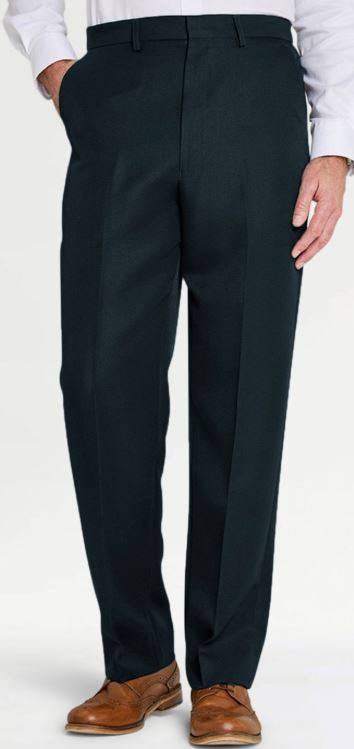
The fit question nobody wants to sit with
Waist size is the number most men fixate on, which is understandable, but it’s only part of the picture. Seat fit, rise, and leg length all matter just as much, and they’re often where off-the-rack trousers fall apart. A 34-inch waist on one brand can fit totally differently to a 34-inch waist on another, and men who’ve worked this out tend to try things on rather than ordering by numbers alone.
Rise is the measurement from the crotch seam to the top of the waistband, and it’s probably the most overlooked fit variable there is. Too low and the trousers pull awkwardly when you sit down. Too high and you’re into territory that requires a certain confidence to carry off. Most men land somewhere in the middle and never really know why some pairs are comfortable all day and others aren’t.
Leg length is easier to fix, since most tailors will take them up for a few pounds, but even then it’s worth knowing what you’re aiming for. A slight break at the shoe is fairly forgiving on most builds. Full break, where the fabric pools a bit at the ankle, is more old school. No break at all looks sharp but unforgiving if the rest of the fit isn’t right.
What actually goes with what
There’s a persistent myth that chinos are casual and suit trousers are formal and never the twain shall meet. In reality the lines are much blurrier than that. A well-cut pair of navy chinos with a white shirt and good leather shoes reads as properly smart in most contexts outside of a boardroom. Meanwhile a pair of grey suit trousers with a plain jumper and clean trainers is a combination that’s been working for decades without anyone making a fuss about it.
Colour matters more than people give it credit for. Navy and charcoal grey are the genuinely versatile ones. Beige and stone work well in warmer months and pair with more than you’d think. Anything bright or heavily patterned is a commitment, and there’s nothing wrong with that, but it’s worth going in clear-eyed about the fact that bright rust-orange trousers are not going to become the backbone of your wardrobe.
Getting value without racing to the bottom on quality
There’s a decent middle ground between spending £12 on trousers that lose their shape after three washes and spending £180 on something that requires dry cleaning every time you wear it. Elasticated waistbands have got a bit of a reputation, but honestly, for everyday wear and comfort they’ve improved enormously over the last decade. A lot of men over 50 quietly swear by them and have done for years. Comfort isn’t a compromise if you’re actually going to wear the thing.
If you’re browsing options and want to get a sense of what decent everyday mens trousers look like at sensible prices, it’s worth spending some time on sites that cater properly to fit and practicality rather than just trends.
Fabric makes a real difference too, especially in British weather. A heavier cotton or cotton-blend holds its shape better through a long day than something very lightweight. Polyester blends get a bad press but they’re genuinely practical for travel and for anyone who hates ironing, which is most people if they’re being honest about it.
None of this needs to be complicated. Know your measurements properly, not just your waist, try things on when you can, and buy for where you actually spend your time rather than some imaginary version of your life. That’s really about the extent of it.


